williamhkeyq@gmail.com
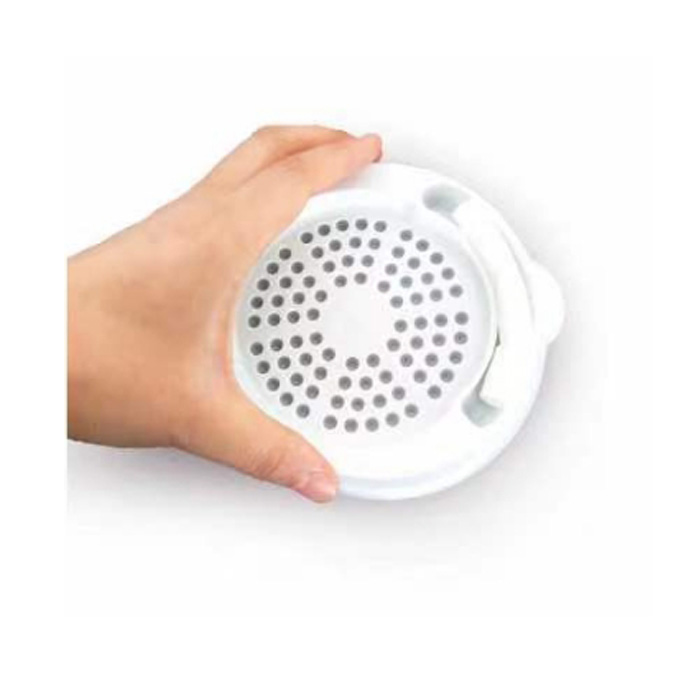
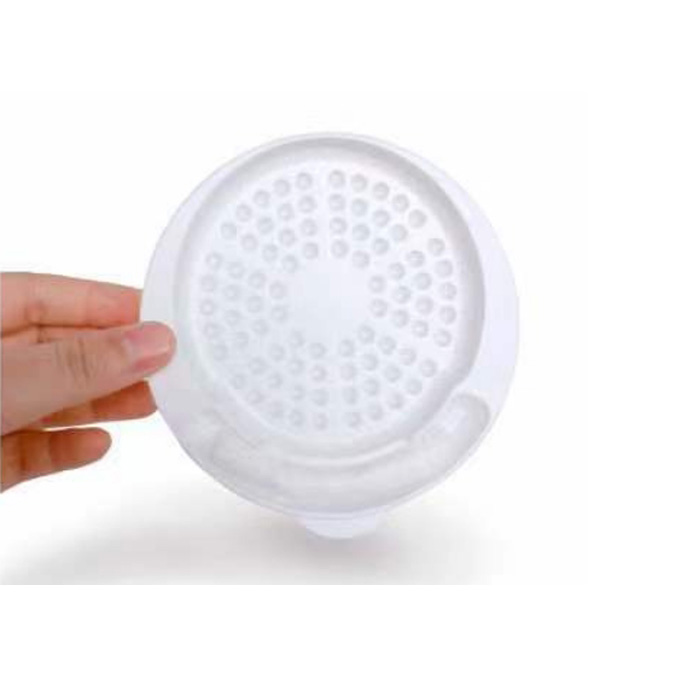
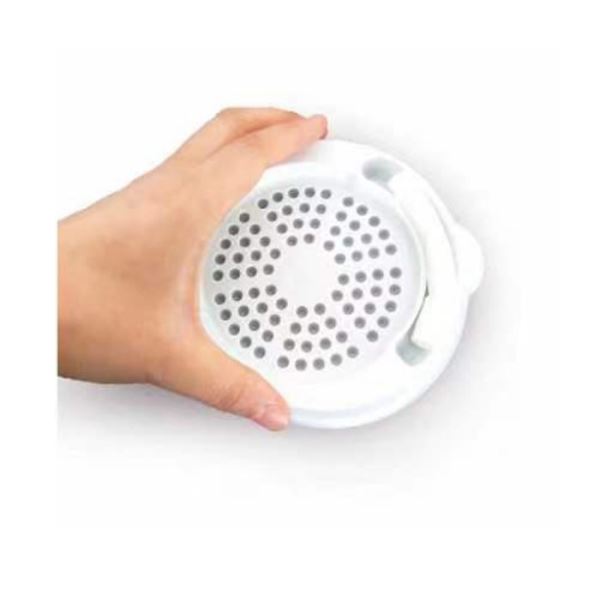
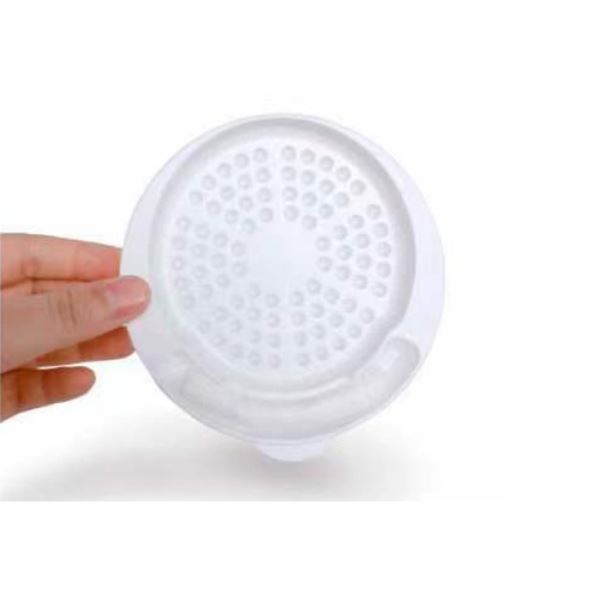
84-Well Tray Scientific Principle:
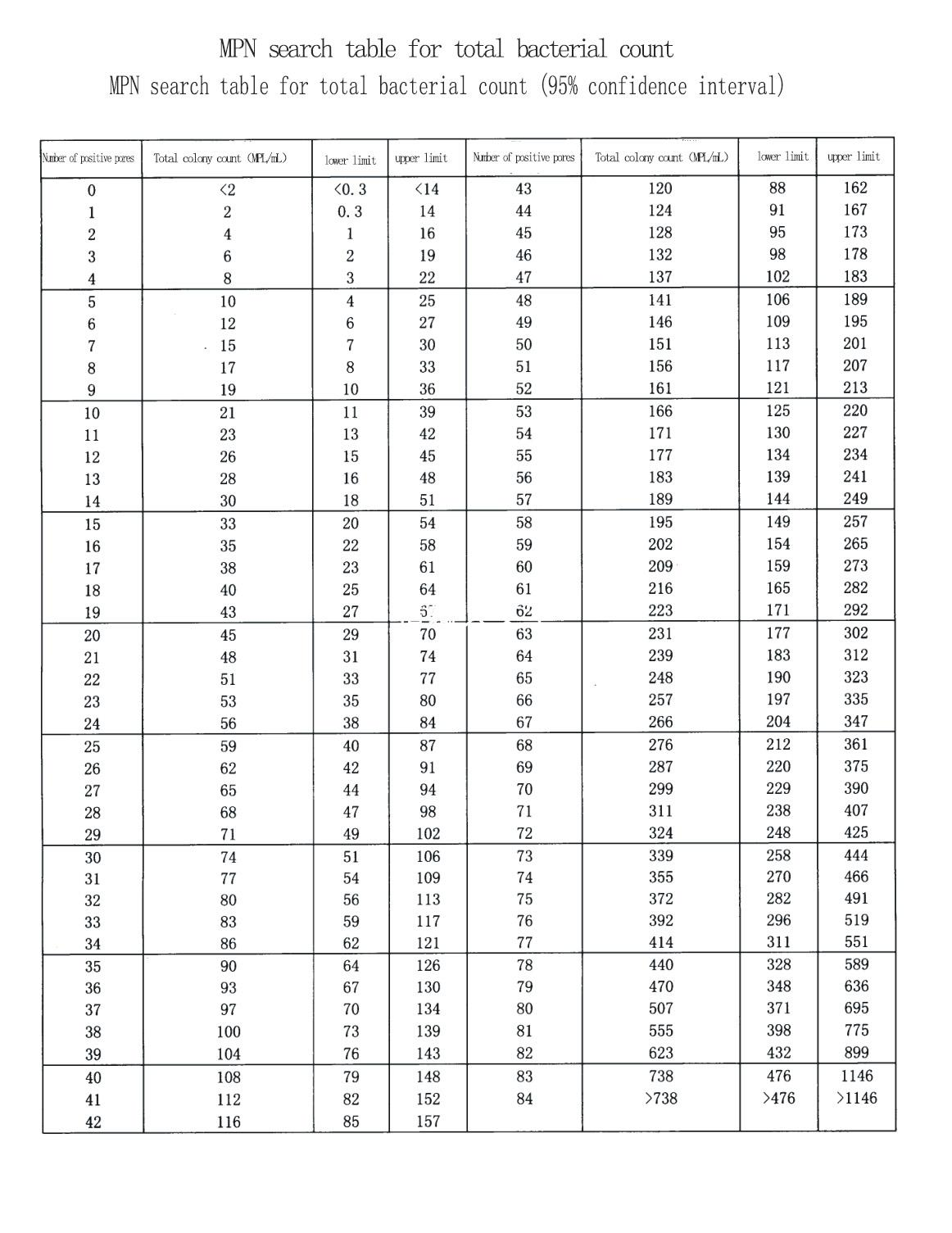
The Colony Counting Test Reagent uses enzyme substrate technology to detect the colony count of bacteria in water.The reagent contains a variety of unique enzyme substrates, each designed for a different bacterial enzyme. The different enzyme substrates release fluorescent groups when broken down by the enzymes released by different bacteria. The total number of colonies is determined by looking at the number of fluorescent lattices under a UV lamp at 365 nm or 366 nm and checking the table.
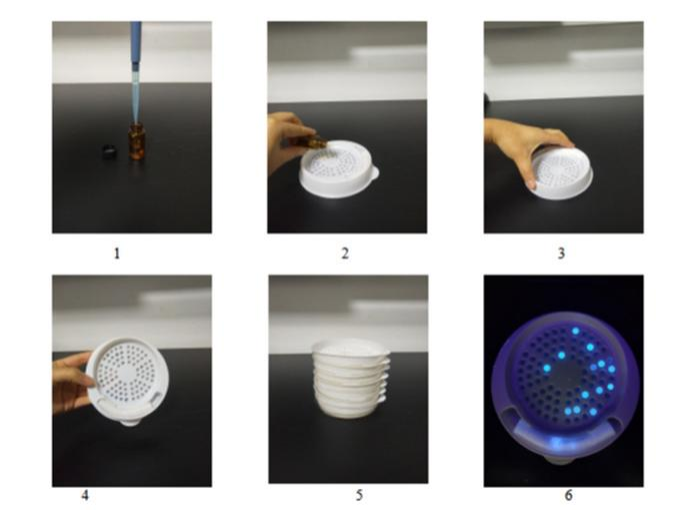
Operation steps:
Step 1: Add 1 ml of aqueous sample and 9 ml of sterile water to the brown bottle containing the solid reagent and shake to dissolve completely.
Step 2: Pour the completely dissolved solution into the center of the assay plate.
Step 3: Rotate the assay disk and all the samples automatically fill up, the well grid of the assay disk.
Step 4: Once all holes are filled, tilt the assay disk so that excess liquid is adsorbed into the sponge strip.
Step 5: Invert the assay disk and incubate in an incubator at 36±1°C for 48h.
Step 6: Count the number of fluorescent wells under a UV lamp and compare the results with the MPN table.
Note: If you need to test 0.1ml, 0.01ml or smaller volume of water samples, you can dilute and add water samples for testing